Cured meats are those that have undergone preservation through the use of salt, nitrates, nitrites, or other curing agents. This process enhances flavor, improves texture, and prevents the growth of harmful bacteria. Curing may be accomplished through dry rubbing, brining, fermentation, smoking, or a combination of these techniques. These traditional methods allow meats to be stored for extended periods while also developing complex and concentrated flavors.
Uncured meats, by contrast, are preserved without the use of synthetic nitrates or nitrites. Instead, they often rely on naturally occurring preservatives found in ingredients such as celery powder, sea salt, or vinegar. The term “uncured” can be misleading, as these meats are still preserved to extend freshness and prevent spoilage. However, the methods used are generally more natural or minimally processed, which results in a milder flavor profile and a shorter shelf life.
The production process for both types begins with selecting high-quality cuts of meat, followed by the application of seasonings, preservatives, and, in some cases, beneficial bacteria. For cured meats, this may involve several weeks or months of aging in temperature- and humidity-controlled environments, which allows the meat to lose moisture and develop its signature texture and taste. Uncured meats are typically stored and processed in refrigerated conditions and consumed within a shorter timeframe.
Cured meats tend to exhibit stronger, saltier, and more robust flavors due to the curing agents and time-intensive aging process. The textures can range from firm and chewy to silky and tender, depending on the meat and the method used. Uncured meats offer cleaner, lighter flavors and are often preferred by those seeking less processed options. Both categories are popular in culinary applications, providing versatility across cold platters, warm dishes, appetizers, and snacks.
Common cured and uncured meats include:
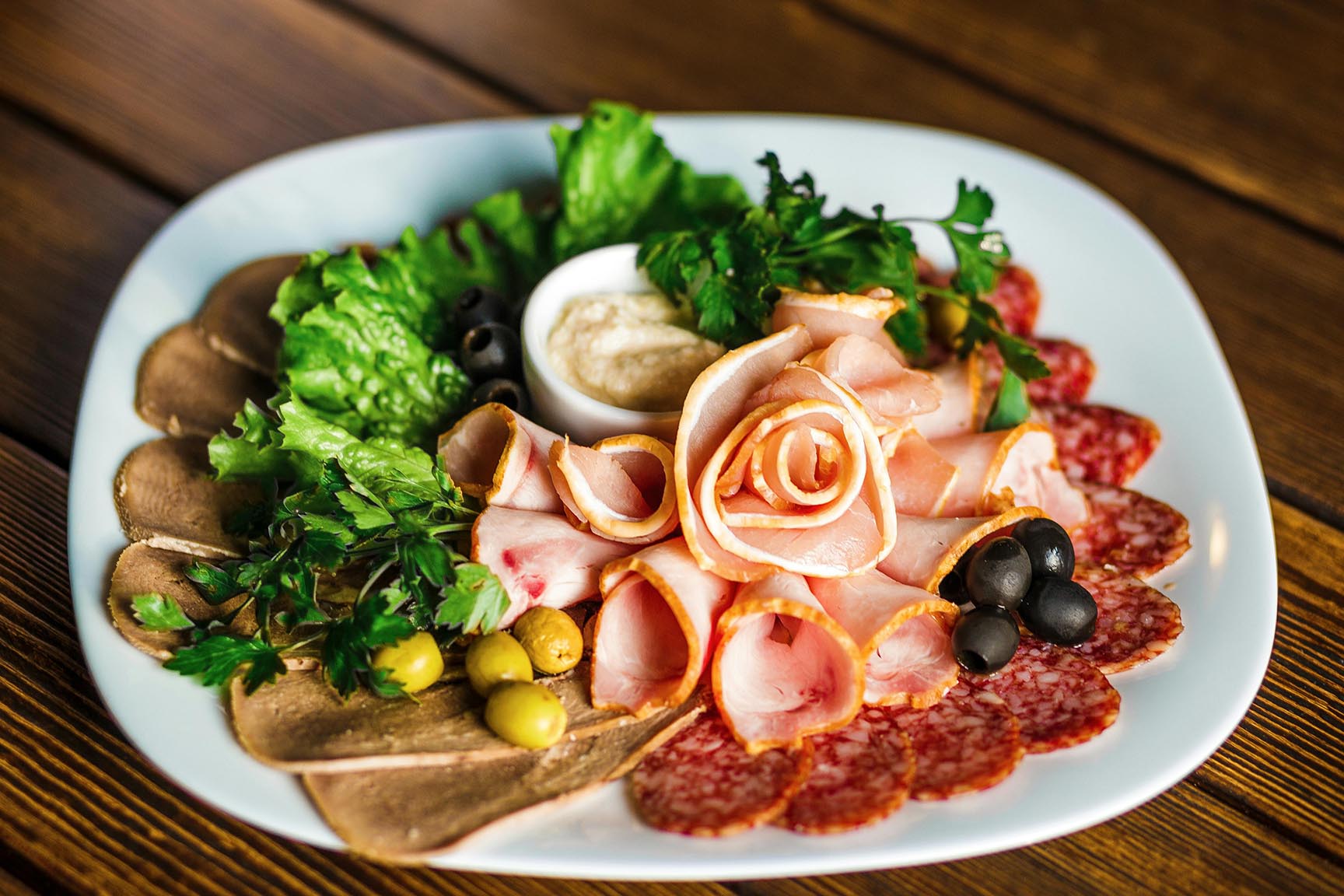
- Prosciutto (Cured): A dry-cured Italian ham known for its delicate, slightly sweet flavor and buttery texture. Often served thinly sliced on charcuterie boards, paired with melon, or layered in sandwiches.
- Uncured Ham: Prepared without synthetic nitrates or nitrites, usually using celery juice or natural sea salt. It offers a similar appearance and texture to cured ham but with a milder, less salty flavor. Typically served baked, sliced in sandwiches, or used in breakfast dishes.
- Salami (Cured): A fermented, air-dried sausage made with pork or beef and seasoned (seasoning examples include garlic, wine, and a variety of spices). Known for tangy, intense flavors and dense, chewy bites. Used in sandwiches, antipasto platters, or as a pizza topping.
- Uncured Sausages: Made with natural preservatives and often seasoned with herbs or spices. These types of sausages are typically refrigerated and require cooking before consumption. They offer fresh, savory flavors and are commonly grilled, roasted, or sautéed.
- Bacon (Cured): Salted and smoked pork belly with a rich, smoky, and salty flavor. Crisp or chewy, depending on preparation. Used widely in breakfast dishes, salads, sandwiches, or as a savory garnish.
- Uncured Bacon: Prepared using natural ingredients such as celery powder and sea salt. Offers a similar taste and appearance to cured bacon, though often slightly milder. It must be cooked and refrigerated like traditional bacon.
- Chorizo (Cured – Spanish style): A dry-cured, paprika-spiced sausage with bold, smoky flavors and a firm texture. Enjoyed sliced on tapas platters, mixed into rice dishes, or eaten as a snack.
- Fresh or Uncured Chorizo (Mexican style): Uncooked and made without curing agents. Typically spicy, with a softer texture. Used in tacos, scrambled eggs, or as a filling for various dishes.
- Pancetta (Cured): Unsmoked Italian cured pork belly, offering a rich and savory flavor. Commonly diced and cooked into pastas, soups, or sautéed vegetables.
- Uncured Pork Belly: Often roasted or braised, this version uses natural seasoning and fresh preparation rather than curing. Offers a clean, rich flavor and a tender bite.
- Bresaola (Cured): Air-dried, salted beef with a deep red color and lean texture. Mild and slightly sweet, served thinly sliced with olive oil and lemon or as part of antipasti.
- Roast Beef (Uncured): Cooked beef typically served sliced and cold. Does not undergo curing but offers a juicy, beef-forward flavor. Common in sandwiches or deli-style platters.
Both cured and uncured meats offer distinct flavor, texture, and preparation advantages. The choice between them often depends on dietary preferences, desired shelf life, and intended culinary use. Whether incorporated into elegant charcuterie arrangements or hearty home-cooked meals, these meats provide richness, variety, and satisfaction across many cuisine styles.
What is your favorite cured or uncured meat? How do you enjoy it? Let us know in the comments!