Planning a trip to Italy can be exciting and overwhelming, especially with so many things to consider. From the best time to visit to navigating local customs, there is much to know to make your Italian adventure smooth and enjoyable. To help you prepare, we have compiled answers to the top 8 most frequently asked/searched questions about traveling to Italy. Whether you are a first-time visitor or a seasoned traveler, these insights will ensure you are ready to make the most of your Italian getaway.
1.) When is the best time of year to visit Italy?
The best time to visit Italy depends on your preferences, but spring (April to June) and fall (September to October) are widely considered ideal. The weather is mild and pleasant during these months, with fewer crowds than the summer peak season. Spring offers blooming landscapes and vibrant festivals, while fall is perfect for wine lovers as it coincides with the grape harvest and truffle season. Summer (June to August) is great for coastal destinations like the Amalfi Coast or Sardinia, though cities can be hot and crowded. Winter (December to February) brings festive Christmas markets, fewer tourists, and skiing opportunities in the Italian Alps. Whether you are exploring historic cities, relaxing by the coast, or enjoying seasonal food and wine, Italy has something to offer year-round.
2.) What should I pack for a trip to Italy?
Packing for a trip to Italy depends on the time of year, the regions you will be visiting, and the activities you plan to do, but there are some essentials to consider:
- Clothing: Comfortable, lightweight clothing is key, especially if you are visiting during warmer months (spring to early fall). For the summer, pack breathable fabrics like cotton or linen, along with a good pair of walking shoes for exploring cities and historical sites. In cooler months (fall and winter), bring layers, a light jacket, and a warm coat for evenings, as temperatures can vary, especially in northern regions. If you plan to visit churches or religious sites, modest clothing, such as clothing that covers the shoulders and knees, is often required.
- Accessories: A good-quality, durable daypack helps carry essentials like water, sunscreen, and maps during sightseeing. Sunglasses, a hat, and sunscreen are necessary for sun protection, especially in the summer.
- Toiletries: While most toiletries can be bought in Italy, it is wise to pack your personal essentials.
- Documents and Money: Don’t forget your passport, travel insurance, and copies of important documents. Having a small amount of cash for places that don’t accept cards and a credit card with no foreign transaction fees is also helpful.
- Footwear: Pack comfortable shoes for walking, especially if you are exploring cities or hiking in places like the Dolomites. Avoid sandals or high heels for sightseeing as cobblestone streets can be tricky.
- Extras: A power adapter for European outlets (Type C, F, or L) is also important, as well as a portable charger for your phone while on the go. A camera, guidebook, or journal will help you capture memories, and a reusable water bottle is handy for staying hydrated.
If you are traveling by train, remember that luggage can be tricky to manage, so pack light and carry a suitcase that is easy to handle. Packing smartly for Italy will ensure you are prepared for both the cultural and natural landscapes you will encounter during your travels.
3.) What is the food like in Italy?
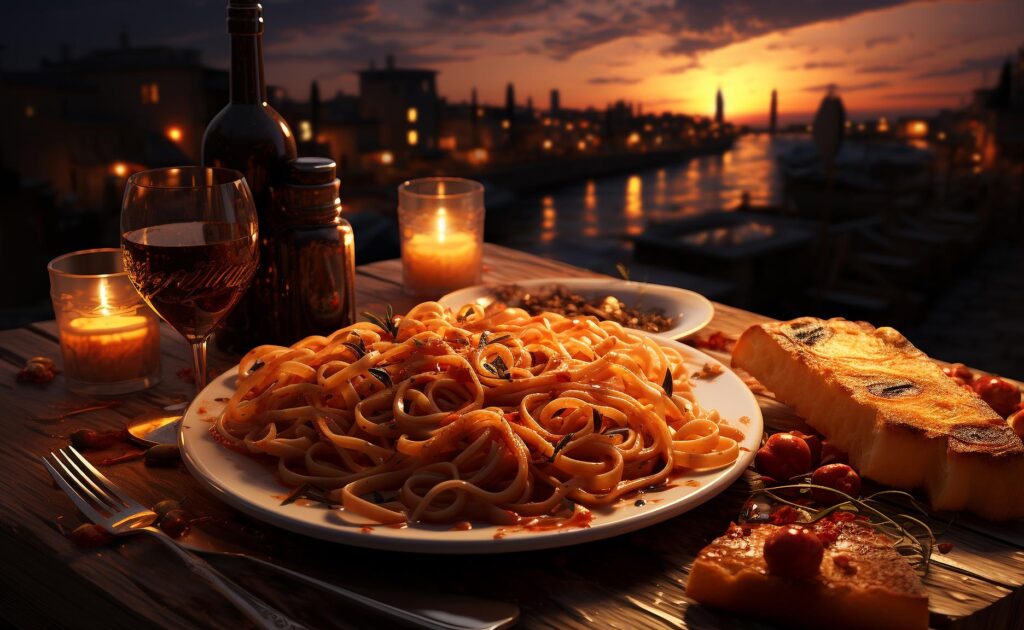
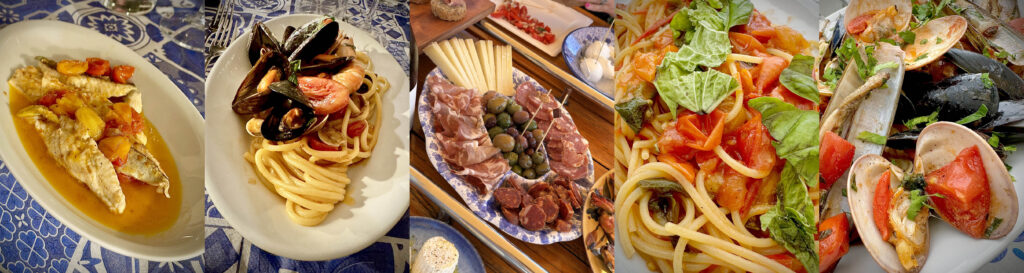
Italian food is renowned for its rich flavors, fresh ingredients, and regional diversity. Each region has unique culinary traditions shaped by local ingredients, climate, and history. Pasta is a cornerstone of Italian cuisine, with iconic dishes such as spaghetti with marinara sauce, fettuccine Alfredo, and lasagna being popular worldwide. However, pasta varies significantly by region – in northern Italy, you will find rich, creamy sauces and stuffed pastas like ravioli and tortellini, while southern Italy features simpler, tomato-based sauces and shapes like orecchiette or cavatelli. Pizza, another global favorite, originated in Naples, where the classic Margherita pizza is made with tomatoes, mozzarella, and basil. Seafood is a key part of the coastal regions, such as Sicily and the Amalfi Coast, offering dishes like frutti di mare (mixed seafood) and baccalà (salted cod). Cheese and charcuterie are also central to Italian cuisine, with varieties such as Parmiggiano Reggiano, mozzarella, pecorino, Grana Padano, and prosciutto enjoyed as appetizers or in various dishes. Gelato, Italy’s version of ice cream, is smooth, creamy, and a must-try treat. Coffee culture is another essential part of Italian life, with espresso, cappuccino, and macchiato being served in cafés throughout the country. Italian food emphasizes simplicity, quality ingredients, and a deep connection to regional heritage, making it a delightful experience for any food lover.








4.) What languages are spoken in Italy?
The primary language spoken in Italy is Italian, which serves as the official language and is used in government, education, and media. Beyond Italian, the country has a rich tapestry of regional languages and dialects, reflecting its diverse cultural heritage. Dialects like Neapolitan, Sicilian, Venetian, and Piedmontese are commonly spoken in their respective regions and often coexist with standard Italian. Italy also recognizes several minority languages under the European Charter for Regional or Minority Languages, including German in South Tyrol, French in the Aosta Valley, Slovene in Friuli Venezia Giulia, Ladin in the Dolomites, and Sardinian on the island of Sardinia. Additionally, due to immigration, languages such as Arabic, Romanian, Albanian, and Chinese are increasingly present in urban areas. While English is widely spoken in tourist destinations and by younger generations, learning a few basic Italian phrases can make your visit even more enjoyable.
5.) What is the transportation like in Italy?
Transportation in Italy is well-developed and offers a variety of options for travelers, making it relatively easy to get around the country. Trains are one of the most popular and efficient ways to travel between cities, with high-speed trains like the Frecciarossa and Italo connecting major cities such as Rome, Florence, Milan, and Venice. Regional trains also offer access to smaller towns and scenic routes through the countryside. Buses are a good option for exploring more remote areas or places not served by trains, and they tend to be affordable. Domestic flights are available for longer distances, especially if you are traveling to islands like Sicily or Sardinia. In cities, public transportation includes metros, trams, and buses, which are generally reliable and affordable, though they can be crowded during peak hours. Taxis are widely available but more expensive, and ride-sharing services like Uber operate in some cities. For a more scenic experience, ferries are standard for traveling between coastal towns and islands. Renting a car is ideal for exploring rural areas or the countryside, but be prepared for narrow roads, busy traffic in cities, and the need to find parking. Overall, Italy offers a wide range of transportation options, making exploring both urban and rural areas easy.
6.) Is it safe to travel to Italy?
Italy is generally considered a safe destination for travelers, with lower crime rates than other countries. However, like in any popular tourist destination, it is vital to stay vigilant and take basic precautions. Petty crimes such as pickpocketing are typical in crowded areas, particularly in cities like Rome, Florence, and Venice, so it is wise to keep an eye on your belongings in public spaces and on public transport. Violent crime is rare, and the country’s emergency services are reliable and accessible. Health and safety standards are high, and Italy has excellent medical facilities, though travel insurance is recommended in case of emergencies. Natural hazards such as earthquakes or volcanic eruptions are possible in certain areas, but these events are infrequent. Generally speaking, Italy is a welcoming and secure place to visit, and by following general safety practices, you can enjoy a smooth and safe trip.
7.) What is the currency in Italy?
The currency in Italy is the Euro (€), abbreviated as EUR, which has been the official currency since 2002, replacing the Italian Lira. The Euro is used throughout the Eurozone, making it convenient for travelers visiting multiple European countries. Coins come in denominations of €0.01 to €2, while banknotes range from €5 to €500, though larger notes are less commonly used. Credit and debit cards are widely accepted, especially in urban areas, but having cash in small denominations is advisable for use in smaller towns, local markets, and public transport. ATMs, known as “Bancomat,” are easily accessible for withdrawing Euros. Before traveling, checking current exchange rates and informing your bank to avoid card usage issues is a good idea.
A quick note on currency: The best way to pay is with a no-foreign-transaction-fee credit card, which offers the best exchange rate. ATMs (Bancomats) are convenient but often have poor rates and extra fees. For cash, getting euros from your bank before leaving your home country is usually the best option to avoid local exchange services and cash advances with high fees.
8.) How expensive is it to travel to Italy?
The cost of traveling to Italy varies widely based on your travel style, the season, and your destinations. Mid-range travelers typically spend $100–$200 per day, which includes accommodations, meals, transport, and sightseeing. Hotel prices in smaller towns might start around $70 per night, while in major cities like Rome, mid-range hotels often cost $150–$300 per night. Cheaper options are usually farther from the city center and may require public transit. Airbnbs can be more cost-effective, especially for more extended stays.
Dining out in Italy generally costs about half as much as in the U.S. for similar mid-range restaurants, but be aware of the coperto, a sitting fee that can range from €2 to €15 or more in upscale places. Budget travelers can save by staying in hostels, eating at local trattorias, or cooking meals when renting an apartment. Luxury travelers can expect to spend significantly more on high-end hotels, fine dining, and private tours. Airfare typically ranges from $500–$1,500, depending on where and when you book. Don’t forget to factor in travel insurance, attraction entry fees, and optional activities like wine tastings or guided tours. With thoughtful planning, you can enjoy Italy on almost any budget.
Ready to explore Italy? Book your next experience now!
Have you had the opportunity to visit Italy? Where have you gone? What did you think? Let us know in the comments!