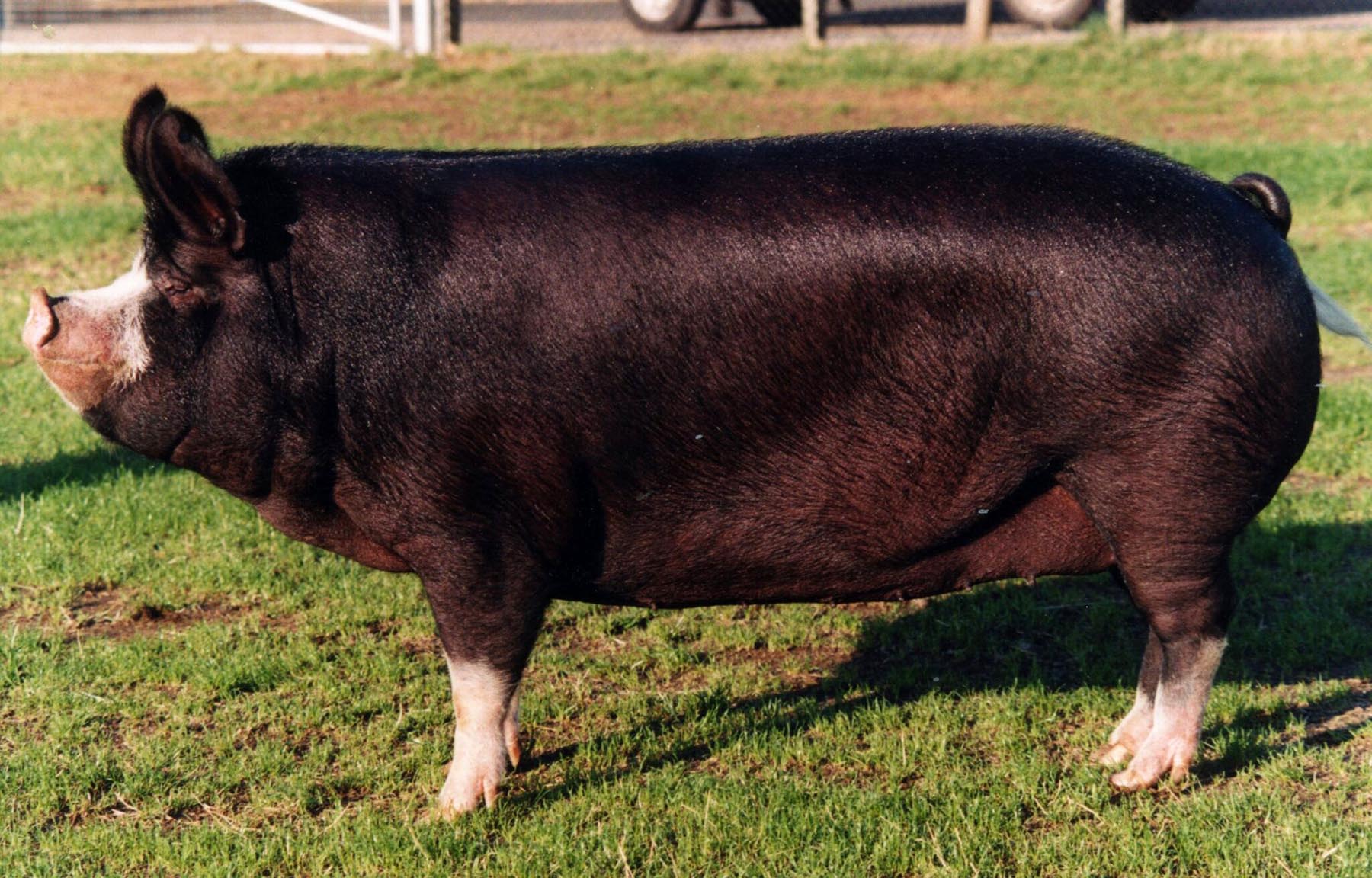
Berkshire pork comes from a breed of pig known as the Berkshire, which is prized for its superior flavor, tenderness, and marbling. Originating in England, this heritage breed is now highly regarded worldwide for producing some of the finest pork. What sets Berkshire pork apart is its rich, juicy flavor profile and its distinctive marbling, which contributes to its melt-in-your-mouth texture. The marbling also ensures the pork stays moist and flavorful when cooked, making it a favorite among chefs and food enthusiasts alike.
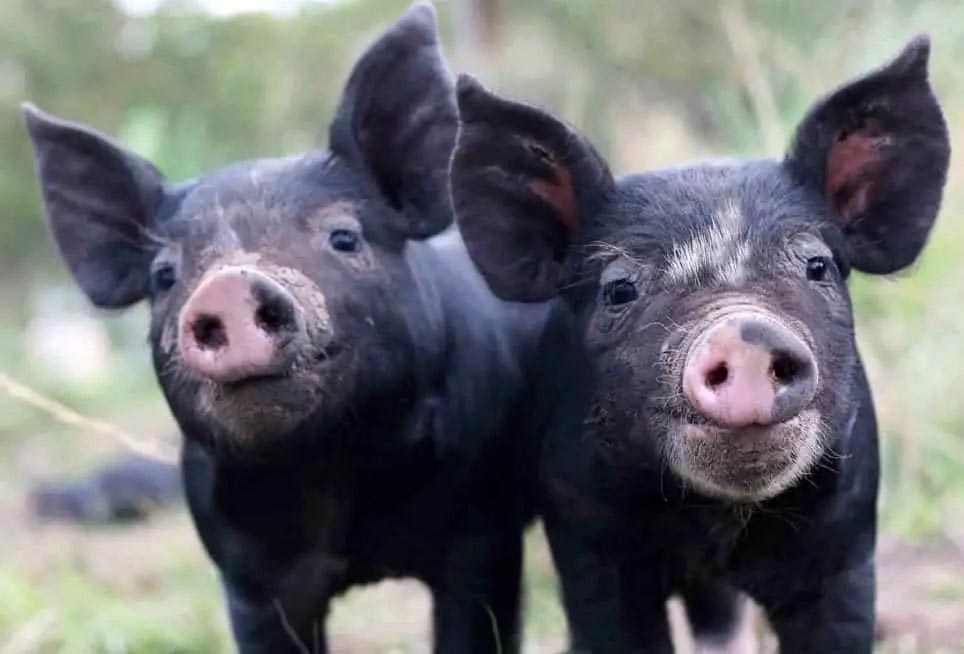
Berkshire pork has a rich history dating back to the early 18th century in England, where the Berkshire breed of pigs was first developed in the county of Berkshire. This heritage breed is one of the oldest and most revered in the world, initially bred for its hardiness and ability to thrive in the British countryside. Known for their black coats with white points on the legs, face, and tail, Berkshire pigs were prized by farmers for their ability to produce high-quality meat with exceptional marbling, a trait that would later become the breed’s hallmark.
In the 1800s, Berkshire pigs were regarded as one of the finest breeds in England, and by the early 1900s, their meat had become highly sought after, especially in gourmet and high-end markets. The pigs’ ability to grow at a slower pace and their rich marbling contributed to the tender and flavorful pork that distinguished them from other breeds. Berkshire pork was often considered a delicacy, favored by royal families and top chefs for its superior taste and texture.
However, after World War II, the popularity of Berkshire pigs declined as industrial farming practices favored faster-growing, larger breeds of pigs that were easier to manage and produced more meat in a shorter amount of time. As a result, the Berkshire breed became rare and nearly extinct in some areas. It wasn’t until the late 20th century that interest in heritage breeds, including Berkshire pigs, was revived. Farmers and food enthusiasts seeking to preserve traditional methods of raising livestock began to reintroduce Berkshire pork to the market.
Today, Berkshire pork is celebrated for its unique flavor and texture, and it has found a niche in both high-end restaurants and specialty markets. The breed’s revival has also helped promote sustainable farming practices, as Berkshire pigs are often raised on smaller, more humane and sustainable farms where they are given ample space to roam and are fed high-quality diets, which enhances the overall quality of the meat. The breed is known for its slower growth rate, which results in more developed muscle and fat that adds to the pork’s remarkable taste and tenderness. This high-quality pork is often considered a premium product, with cuts like Berkshire ribs, chops, and loin often sold at a higher price than conventional pork due to its superior flavor and texture. As demand for premium, flavorful pork continues to grow, Berkshire pigs are once again prized for the same qualities that made them famous over 300 years ago – exceptional taste, tenderness, and marbling that elevate any meal.
Whether cooked simply on the grill or prepared in gourmet dishes, Berkshire pork offers a richness that is unmatched by other pork breeds. It has earned a reputation as a luxury meat, and for good reason, its unique flavor and texture elevate any dish.
Ready to explore a new destination? Book your next experience now!
Have you ever had Berkshire pork? What cut? How was it prepared? What did you think? Let us know in the comments!