Caviar has long stood as a symbol of luxury, sophistication, and culinary excellence. For those exploring the world of caviar, understanding how it is graded can provide valuable insight into its quality, flavor, and overall experience. These grading standards help distinguish between varying levels of refinement and guide consumers in selecting the ideal product for their needs.
Caviar is generally classified into two primary grades: Grade 1 and Grade 2. These categories are determined based on several key characteristics, including the roe’s size, firmness, color, consistency, and taste. While grading systems may differ slightly depending on the producer or country of origin, the core principles are widely recognized across the industry.
Grade 1 Caviar: Premium Quality
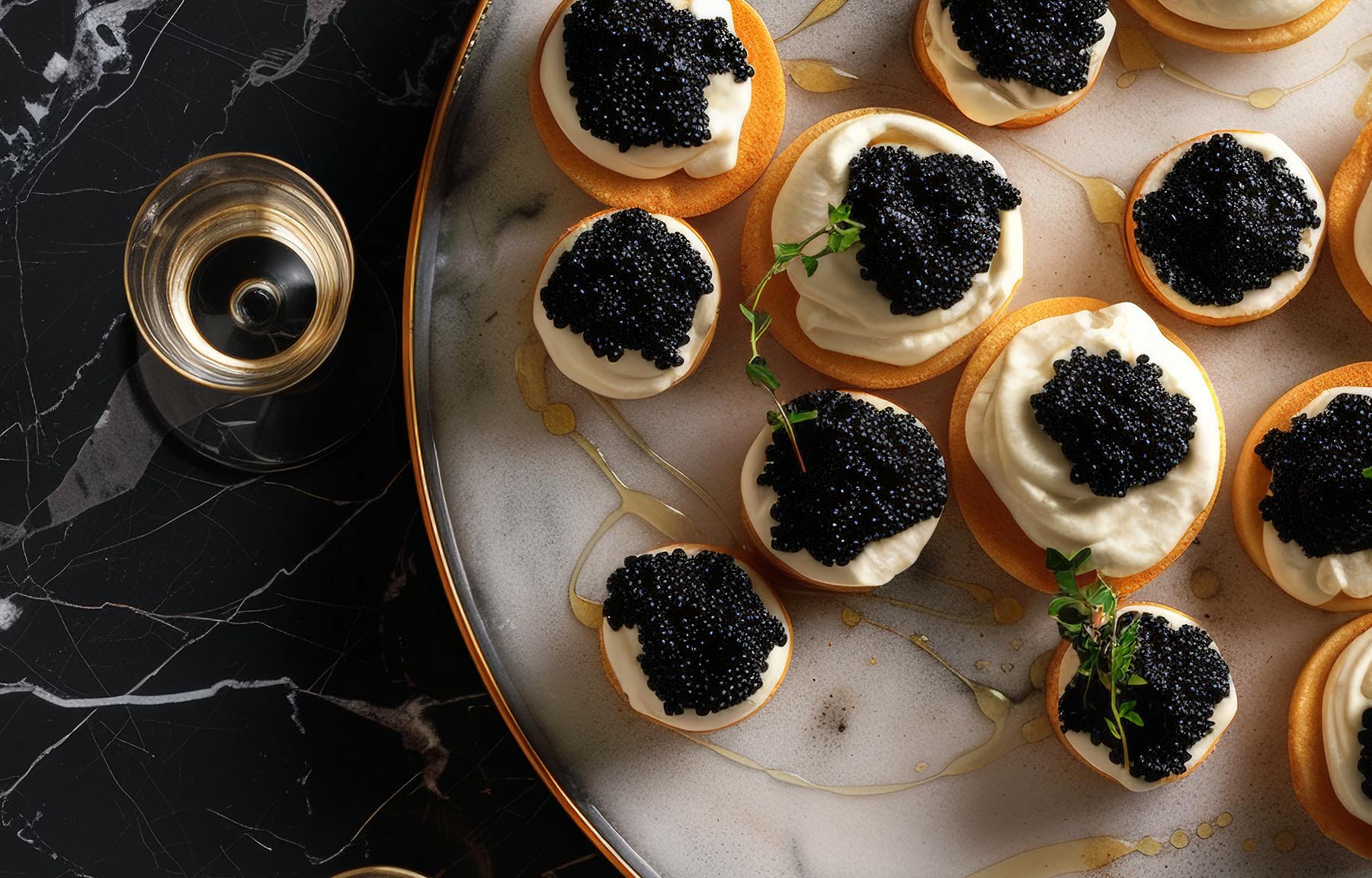
Grade 1 caviar represents the highest standard available. This grade features large, intact eggs that are glossy in appearance, uniform in size and color, and firm to the touch. The flavor profile is typically rich, balanced, and elegant, with a smooth texture and a refined finish. The eggs offer a delicate pop when tasted, enhancing the sensory experience. This level of quality is usually achieved through careful harvesting from mature, healthy sturgeon. Grade 1 caviar is often reserved for upscale culinary presentations and fine dining experiences, where excellence in taste and appearance is essential.
Grade 2 Caviar: High Quality with Slight Variations
Grade 2 caviar remains a high-quality product but presents some minor deviations from the characteristics found in Grade 1. The eggs may be slightly smaller or softer, with less uniformity in color and texture. The flavor remains enjoyable, though it may be less complex or smooth compared to higher-grade roe. This type of caviar is frequently used in recipes or culinary applications where the roe complements other ingredients rather than serving as the main feature. It is also a popular option for those seeking an introduction to caviar at a more accessible price point.
Additional Classifications: Species and Salt Content
Beyond the numeric grades, caviar is also categorized by the sturgeon species from which it is derived. Popular varieties include Beluga, Osetra, and Sevruga, each offering distinct flavors, textures, and colors. These differences are important when selecting caviar to match specific preferences or pairings.
Another commonly seen descriptor is “Malossol,” a Russian term meaning “lightly salted.” Malossol caviar is prized for its purity of flavor, as the minimal salt content allows the natural taste of the roe to shine. Additionally, fresh (non-pasteurized) caviar is generally considered superior in taste and texture when compared to pasteurized alternatives, which are heat-treated for extended shelf life.
Understanding caviar grading enables consumers to make informed decisions based on quality, budget, and intended use. Grade 1 caviar offers an exceptional experience for refined palates and special occasions, while Grade 2 provides a flavorful and more economical option. By considering the grade, species, and preparation style, one can fully appreciate the richness and tradition that caviar brings to the table.
What are your thoughts on caviar? Let us know in the comments!